Nonfiction
The V-Word
First-time sex is a big unknown. Will it be candlelight and rose petals or quick and uncomfortable? Will it be hot and steamy or awkward and painful? Is it about love or about lust? You have plenty of people telling you what to do, but do you have anyone telling you what sex is really like?
The V-Word pulls back the sheets on sex. Queer and straight. Relished and regretted. Funny and exhilarating. The seventeen women in this book (including Christa Desir, Justina Ireland, Sara Ryan, Carrie Mesrobian, Erica Lorraine Scheidt, and Jamia Wilson) write about first-time sex-hot, meaningful, cringe-worthy, gross, forgettable, magnificent, empowering, and transformative.
Whether you’re diving in or whether you’re waiting, we hope these stories will help you chart your own course.
February 2026 - Beyond Words/SimonPulse
- New York Public Library’s 50 Best Books of the Year for Teens
- Chicago Public Library’s Best Teen Nonfiction of 2016
- American Library Association’s 2017 Rainbow List
- YALSA’s 2017 Quick Picks for Reluctant Young Adult Readers List
- 2017 Amelia Bloomer List
- The Horn Book’s Love Story for Pride
- Barnes & Noble’s 50 Crucial Feminist YA Books
No More Excuses: Dismantling Rape Culture
Rape culture is real.
In the fall of 2017, millions of women and plenty of men shared their experiences of sexual harassment and assault under the hashtag #MeToo. The movement went global. Actors, politicians, journalists, radio personalities, celebrity chefs and other prominent men were forced to step down from their jobs, and in some cases, faced criminal charges. The avalanche of stories shared under #MeToo shocked the world. How could these abuses of power be so widespread?
The answer lies in rape culture-the beliefs, ideas, and actions that make excuses for male sexual aggression and violence and perpetuate the lie that these behaviors are normal and inevitable. Boys will be boys. If he teases you, it means he likes you. Don’t take no for an answer. From the playground to the boardroom, girls and women are valued for quiet compliance and sex appeal while men and boys are urged to take whatever they want, whenever they want it.
#MeToo sounded the alarm about the damaging legacy of rape culture. People everywhere are standing up and speaking out. Teens are protesting sexist dress codes in their schools and challenging online bullying and slut shaming. They are rejecting toxic stereotypes about masculinity and advocating for enthusiastic consent in intimate relationships. The time to dismantle rape culture is now. In the words of actor Janelle Monae, “We come in peace, but we mean business.”
January 2029 - Twenty-First Century Books
- A Junior Library Guild Selection
- Denver Public Library’s Best and Brightest Teen Nonfiction 2019
- Bank Street’s Best Children’s Books of the Year 2020
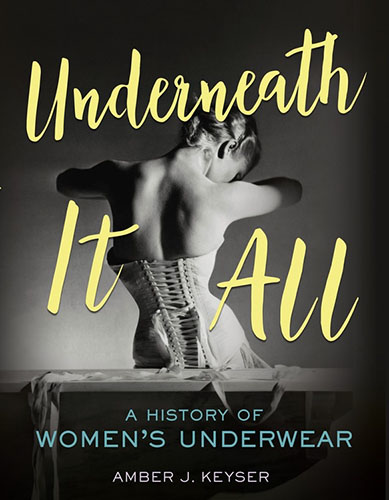
Underneath It All: A History of Women’s Underwear
Did you know that the world’s first bra dates to the twelfth century? Or that wearing an 18th century crinoline was like having a giant birdcage strapped around your waist? Did you know that women during WWI donated the steel stays from their corsets to build battleships?
For most of human history, the garments women wore under their clothes were hidden. The earliest underwear provided warmth and protection, but soon, women’s undergarments became complex structures designed to shape their bodies to fit the fashion ideals of the time. When wide hips were in style, they wore wicker panniers under their skirts. When narrow waists were popular, women laced into corsets that cinched their ribs and took their breath away.
In the modern era, undergarments are out in the open. From the designer corsets Madonna wore on stage to Beyonce’s pregnancy announcement on Instagram, lingerie is part of everyday wear, high fashion, fine art, and innovative technological advances. This feminist exploration of women’s underwear-with a nod to codpieces, tighty-whities, and boxer shorts along the way-reveals the intimate role lingerie plays in defining women’s bodies, sexuality, gender identity, and body image. It is a story of control and restraint but also female empowerment and self-expression. You will never look at underwear the same way again.
January 2018 — Twenty-First Century Books
- Texas Topaz Reading Selection 2019